- Tracy
- blockchain, sustainability, Technology
- 0 Comments
- 18591 Views
What is blockchain used for? Blockchain in energy and sustainability
1/ Key takeaways
Blockchain technology fundamentally revolutionizes modern energy markets by enabling transparent carbon tracking, decentralized peer-to-peer trading, and highly optimized smart grids. Consequently, enterprises can reduce operational costs while building genuine environmental trust.

2/ What is blockchain used for? Blockchain in energy and sustainability
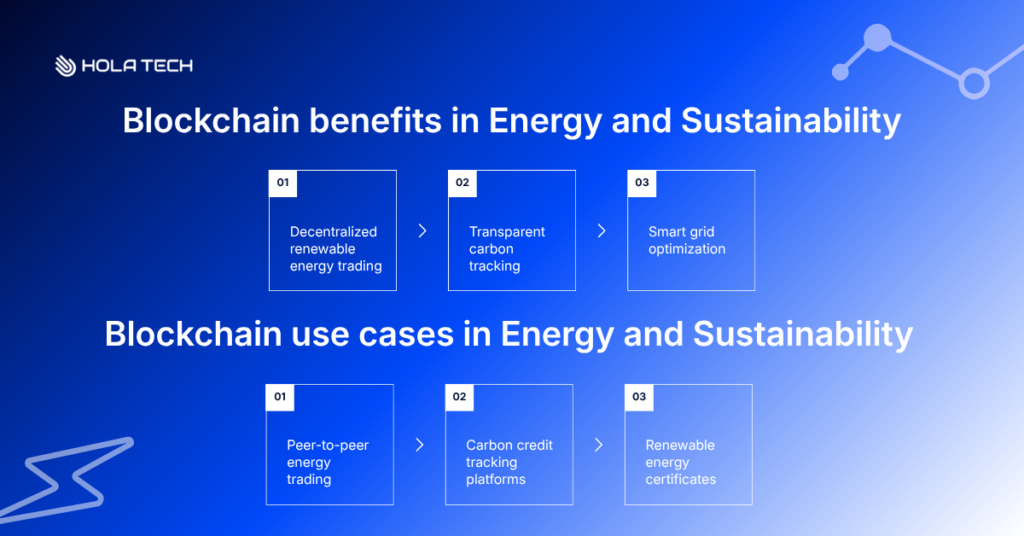
2.1. What are the benefits of blockchain in energy and sustainability?
– Decentralized renewable energy trading: Traditional energy markets rely heavily on central utilities to manage transactions. In contrast, blockchain uses smart contracts to automate peer-to-peer energy trades directly. Consequently, this removal of middlemen reduces costs and speeds up local renewable sharing.
– Transparent carbon tracking: Conventional emissions tracking often struggles with inaccurate data and double-counting. Because distributed ledgers are immutable, every carbon offset is permanently recorded for public audits. Furthermore, this radical transparency prevents greenwashing and builds genuine trust among consumers.
– Smart grid optimization: Modern power grids require constant balancing to prevent energy waste. Smart contracts automate distribution based on real-time supply and demand data. Additionally, these automated protocols integrate renewable sources smoothly into national infrastructure without human delay.
2.2. Top blockchain use cases in energy and sustainability
– Peer-to-peer energy trading: These innovative platforms allow local consumers to trade surplus solar power directly with nearby neighbors without relying on legacy utility grids. They utilize smart contracts to eliminate centralized utility providers. Consequently, participating households enjoy lower operational costs and greater energy control. Power Ledger is a premier platform facilitating these decentralized trades.
– Carbon credit tracking platforms: These specialized digital systems record complex environmental offsets on an immutable public ledger that anyone across the globe can easily inspect and audit. They secure sensitive emissions data across decentralized networks to prevent corporate double-counting. Furthermore, this radical transparency effectively eliminates greenwashing in competitive global markets. Climate Impact X is a leading platform that successfully manages these corporate carbon offsets.
– Renewable energy certificates (RECs): Traditional certificate tracking systems often suffer from severe verification delays and inefficient market fragmentation that significantly slows down widespread industry adoption. Modern blockchain solutions solve this operational issue by issuing unique tokenized certificates. As a result, they provide a reliable mechanism for verifying ambitious corporate green claims. Energy Web Chain is a widely adopted platform providing infrastructure for these certificates.
3/ Hola Tech’s pov:
Energy companies must adopt modern digital ledgers to improve overall operational efficiency. Traditional utility grids often struggle with high operational costs and slow data processing across complex regional infrastructures that lack modernization. Furthermore, integrating decentralized platforms allows firms to automate peer-to-peer trading. Startups can reduce overhead by eliminating expensive corporate intermediaries entirely. Comprehensive data security protocols remain an absolute top priority for modern eco-friendly enterprises operating within highly competitive global markets today. Renewable energy markets require reliable tracking systems to prevent fraudulent claims. However, many regional markets still rely on outdated legacy software frameworks. Modernizing these systems requires significant upfront capital investments from corporate stakeholders. Strategic leaders evaluate long-term benefits before committing to major digital transformations. Enterprises that embrace early adoption often secure a lasting competitive advantage.
Executives should carefully pilot small blockchain projects before attempting to scale them across the entire enterprise ecosystem to avoid costly operational failures. Consequently, partnering with established technology providers helps mitigate unforeseen technical risks. Sustainable brands will attract conscious consumers through verified environmental tracking. Clear regulatory frameworks guide sustainable enterprises toward compliant digital asset implementation. Strategic planning ensures long-term success in evolving green technology markets worldwide. Moreover, collaborative industry consortia accelerate the development of standardized blockchain protocols. Environmental consultants analyze carbon offset data to verify corporate sustainability claims. Transparency builds lasting trust between renewable energy providers and local communities. Innovators design advanced smart contracts that automatically adjust power distribution during peak consumption hours across densely populated metropolitan areas to prevent regional blackouts. Forward-thinking companies must invest heavily in emerging decentralized technologies to maintain market leadership throughout the upcoming decade of the global green transition.
Want to stay ahead of the curve in the world of decentralized technology and AI? Check out Hola Tech blog for more exciting technology news and useful information!