- Tom
- ai, retail, Technology
- 0 Comments
- 15716 Views
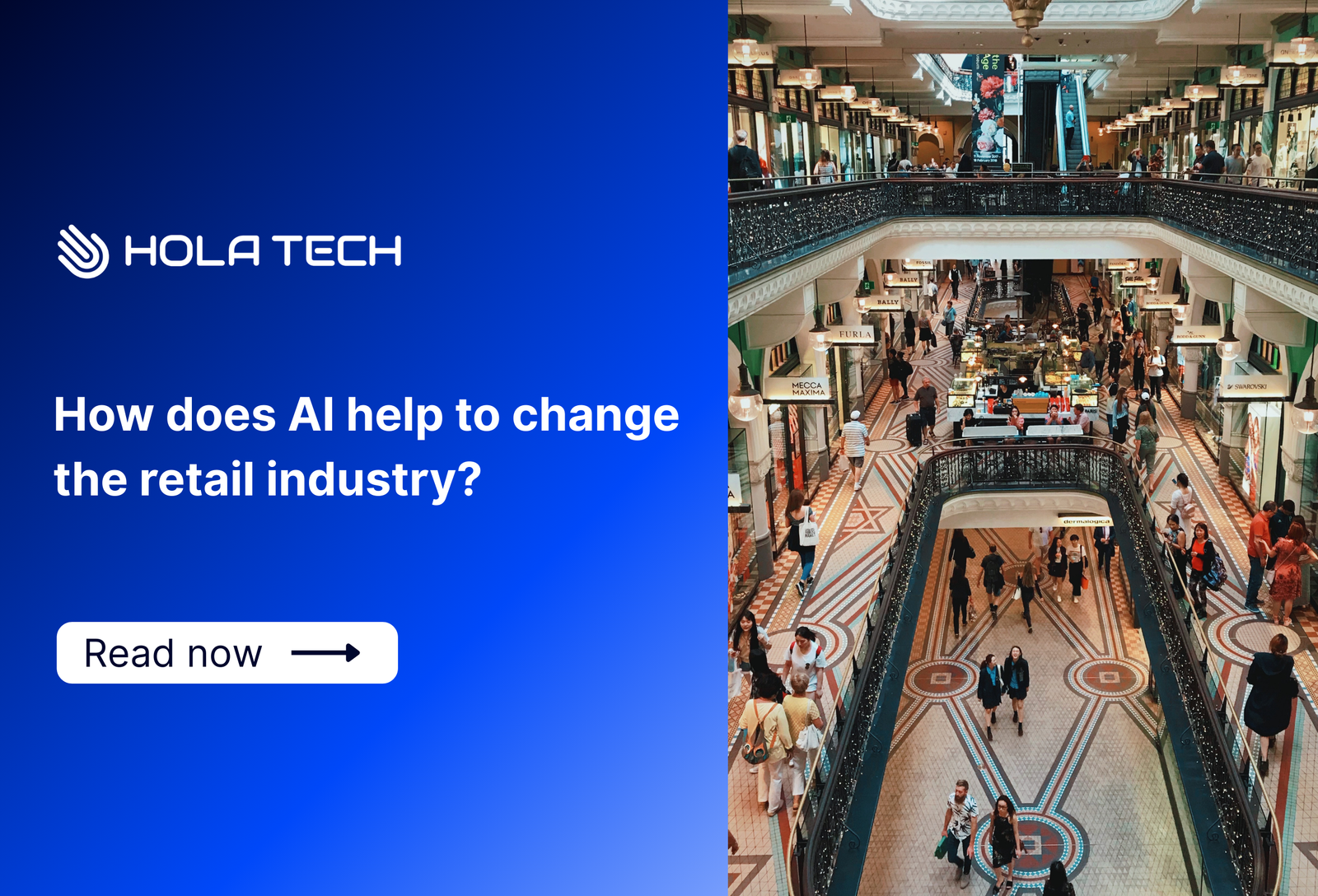
How does AI help to change the retail industry?
1/ Key takeaways
AI is no longer a future concept because it is already rewriting the rules by making AI applications in retailers central to daily operations. By shifting to an AI-first model, brands can empower employees and automate tasks to create a more personalized, efficient shopping experience for customers.
2/ How does AI help to change the retail industry?
2.1. What’s AI
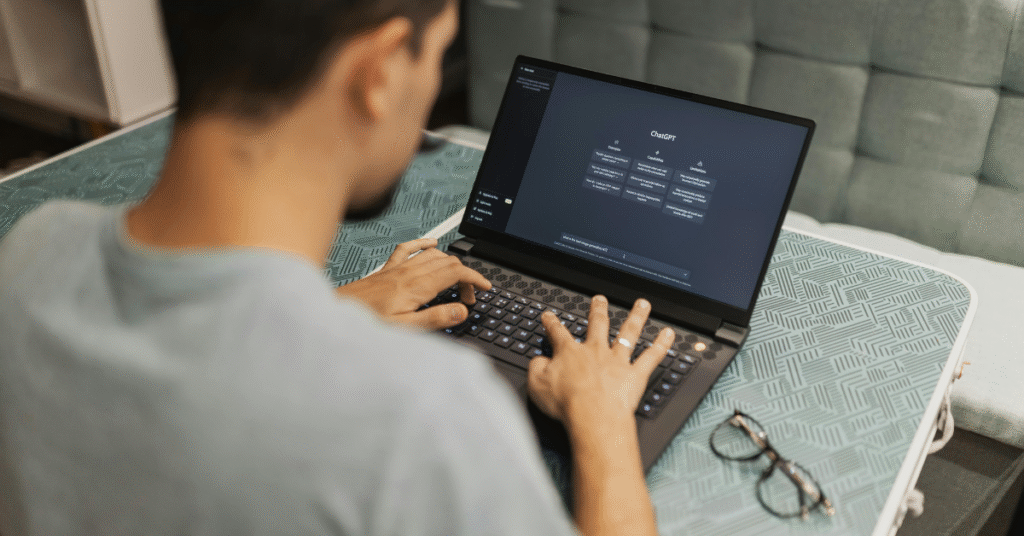
Artificial intelligence refers to the simulation of human intelligence in machines. These machines are programmed to think like humans. They can learn, reason, and self-correct. AI systems analyze vast amounts of data. Then, they identify patterns and make decisions. Machine learning is a subset of AI. It allows systems to learn from data without explicit programming. Deep learning takes this further, using neural networks. These networks mimic the human brain. AI encompasses various technologies. These include natural language processing and computer vision.
2.2. Benefits of using AI in retail sector
– Hyper-personalized discovery and trust: Shoppers increasingly rely on AI to figure out exactly what they want when they are unsure. Consequently, 60% of consumers now express high trust in GenAI results while shopping. Remarkably, 46% of consumers trust AI recommendations more than advice from their own friends. This shifts the retail journey from generic product grids to deeply goal-based, personalized conversations.
– Radical marketing and content productivity: Traditional marketing organizations often struggle with the slow pace of manual creative production. AI-driven systems now allow teams to produce 10x more content up to 8x faster than before. Furthermore, businesses using these tools at scale report a 30–50% reduction in marketing production costs. These gains allow retailers to reinvest saved time and capital into high-level brand strategy.
– Precision supply chain and demand forecasting: Retailers face massive risks from inventory shortages and back-office inefficiencies. AI agents now autonomously detect anomalies and reroute supplies to cover potential stockouts. Early adopters of these agentic systems see 20–30% faster workflow cycles in their operations. Because the systems optimize and adapt instantly, retailers can maintain leaner inventories without losing sales.
– Dynamic pricing strategies: Static price tags often fail to account for real-time market shifts. AI software adjusts prices instantly based on competitor moves and current demand levels. These tools help retailers stay competitive during flash sales or holiday rushes. This ensures the best possible margins for the business at any given hour. Specifically, it allows smaller shops to react as quickly as global e-commerce giants.

2.3. AI applications in healthcare sector
Global industry leaders are moving fast to integrate AI and retail strategies to tackle complex market challenges. These innovations are redefining how brands connect with consumers in 2026.
Walmart is one of the world’s largest retailers, serving millions of customers across thousands of stores globally. Walmart remains a leader by integrating AI into every operational layer. They use these tools to streamline logistics and optimize complex supply chains. Most notably, the retail giant recently teamed up with Google to revolutionize the shopping journey. This partnership pairs Google’s Gemini with Walmart’s massive product assortment. Consequently, shopping feels more intuitive and reliable than ever before. Accessible via the Universal Commerce Protocol, this experience focuses on personalization and fast delivery. It ensures customers find the best items at the right prices.
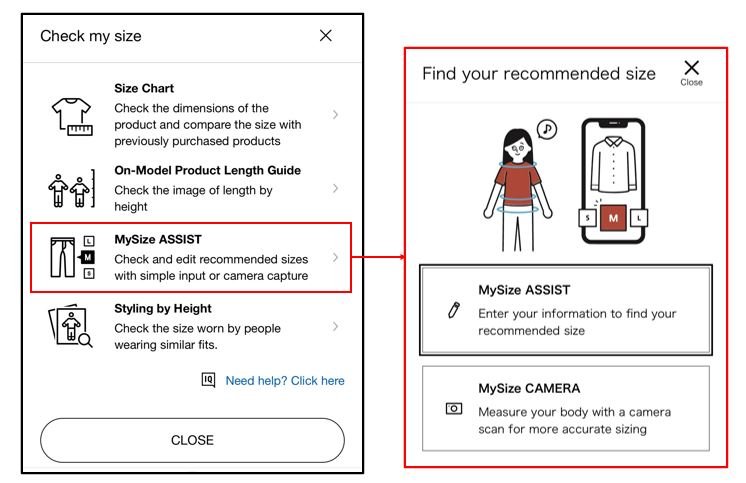
Uniqlo, the Japanese fast-fashion retailer, has also adopted AI to make smarter decisions about what products to stock and how to display them. By analyzing local weather forecasts, social media trends, and regional sales history, the AI can predict which styles will be most in-demand in a specific location. This enables Uniqlo to optimize store layouts and ensure popular items are visible and readily available. The digital experience has also reached a new peak this year with the evolution of Uniqlo IQ. This personal virtual assistant now uses advanced machine learning to provide real-time style suggestions and size matching. Consequently, the 2026 update allows IQ to assist with “MySize” predictions based on customer reviews and biometric profiles.
3/ Hola Tech’s pov:
AI is no longer a distant trend for retail because it is already rewriting the rules of the game. To win today, brands must move as fast as modern technology and consumer expectations. We suggest becoming “AI-first” by making agents central to every operational decision. This transition begins by rewiring your operating model to empower employees with intelligent tools. Consequently, companies can move away from slow hierarchies toward flatter, real-time structures. Success also requires leadership to act as active AI users rather than mere cheerleaders. They must focus on high-value bets while prioritizing the human side of change. Finally, retailers should redirect spending by automating manual tasks and upgrading legacy systems. Furthermore, reinvesting these savings into high-quality data ensures a scalable infrastructure for the future.
Want to stay ahead of the curve in the world of decentralized technology and AI? Check out Hola Tech blog for more exciting technology news and useful information!

author
I leverage my skills in strategic planning, team coordination, and technology solutions as the Co-founder and COO of Hola Tech. Passionate about innovation and efficient problem-solving, I am dedicated to pushing the boundaries of what is possible in the tech industry with Hola Tech